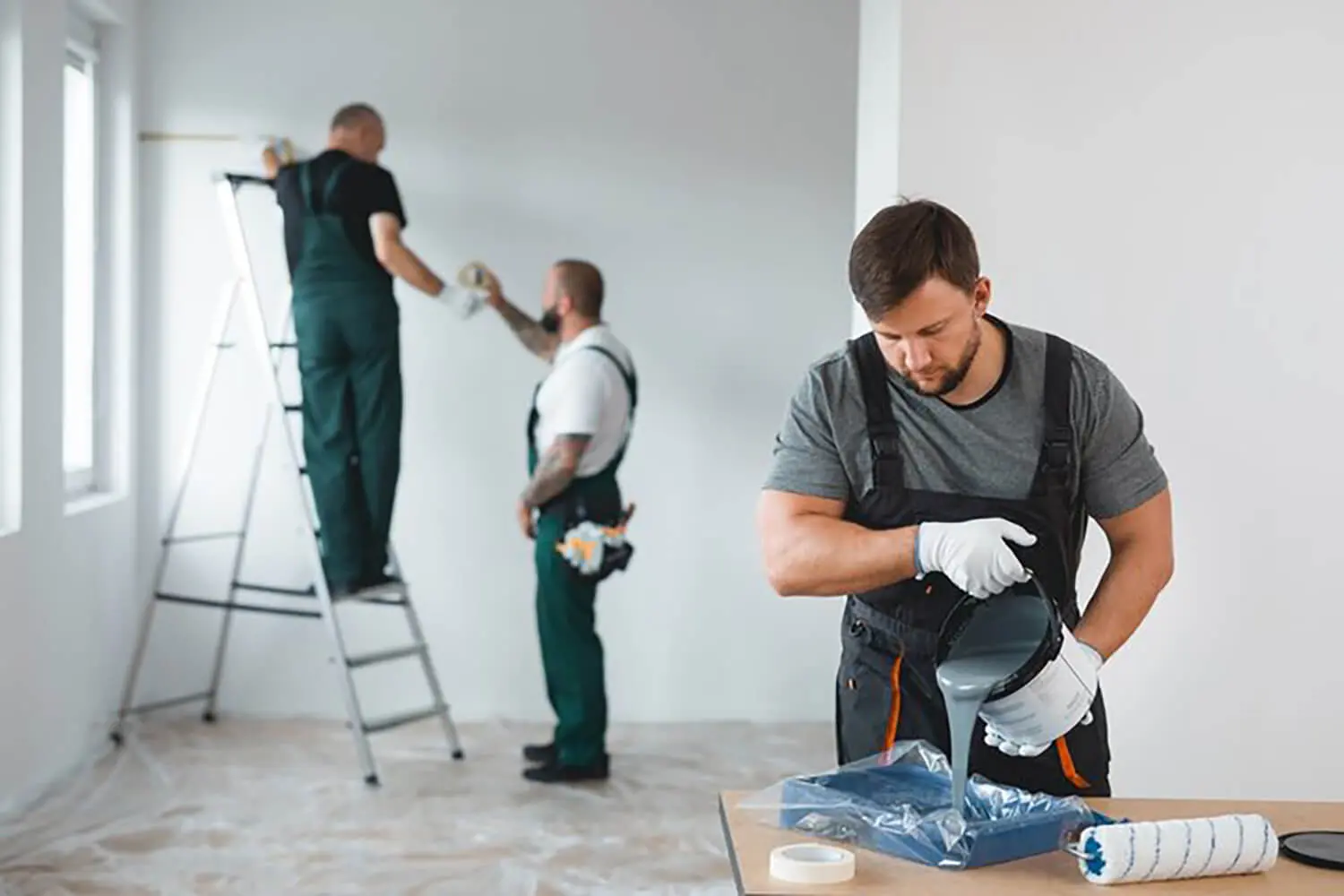

Signs Your Home Needs Carpentry Repairs Before Painting
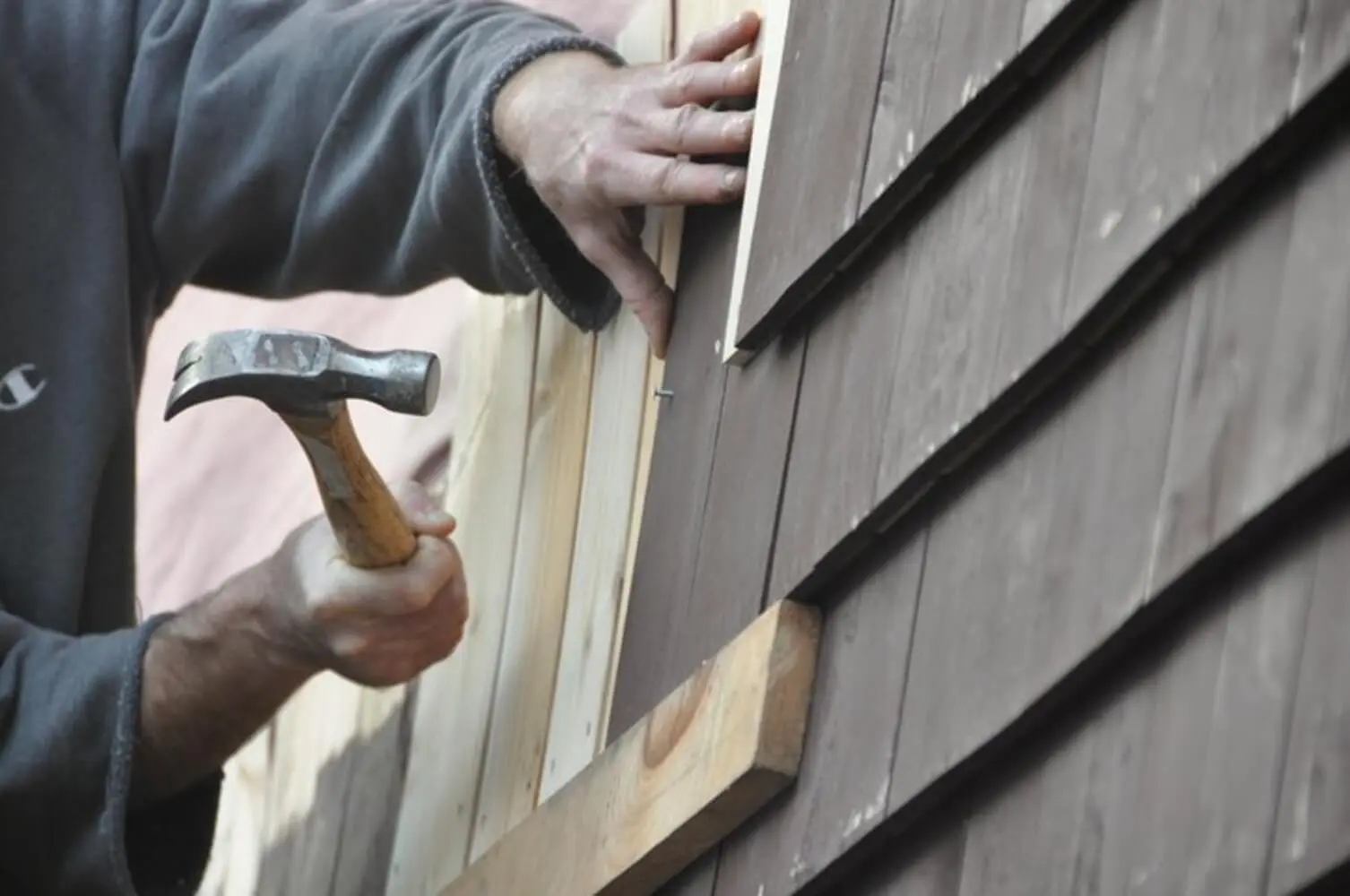
You’re staring at a painting estimate, maybe already picking colors, and something is nagging at you. That soft spot on the trim near the porch. The hairline crack by the window frame. The bit of siding that looks like it’s pulling away just slightly at the corner. You’re wondering if any of it is worth mentioning, or if it’s just cosmetic and the new paint will take care of it.
Here’s the truth: painting over the wrong kind of damage doesn’t hide it. It seals it in. And once that happens, the next signs of failure show up faster, and they cost more to fix than they would have the first time around.
Before you schedule your next project, walk your home and check for these signs. You’ll also learn why Seattle’s climate makes this especially important, and what actually happens if these signs get missed and painted over anyway.
Why Paint Can’t Hide Wood Damage
Paint is not a repair material. It’s a protective and cosmetic finish, and it needs sound wood underneath to do its job correctly. Most paint is water-based, so applying it over damaged or already-moist wood adds even more moisture to a surface that’s already struggling to dry out.
Many homeowners assume a few extra coats will smooth over rough or soft wood. It won’t. Instead, the paint traps the underlying issue, and the imperfection telegraphs right through the finish once it dries. A rotted board doesn’t disappear under primer. It just gets a fresh color while the damage keeps spreading out of sight.
Painting over damage doesn’t just risk an ugly result. It shortens the life of the paint job itself, since a compromised surface can’t hold a coating the way sound wood can. The paint has nothing stable to bond to, so it starts failing well before its expected lifespan.
Why Seattle’s Wet Climate Accelerates Wood Damage
Seattle and the Eastside see extended stretches of damp, overcast weather roughly from October through April. That gives exposed or unsealed wood far more opportunity to absorb moisture than homes in drier climates ever face.
Repeated wet-dry cycling causes wood to expand and contract. Over time, that movement is exactly what drives splitting, warping, and loosened joints. It isn’t a one-time event. It’s cumulative, and it builds year after year, often quietly enough that homeowners don’t notice until damage is already visible.
Older homes throughout Seattle, Bellevue, and the surrounding area often carry original wood trim and siding that predates modern moisture barriers. That makes them more vulnerable than newer construction, and it’s part of why how often you need to repaint your home’s exterior can vary so much from house to house in this region.
Wood surfaces around the home don’t all age at the same rate either. Decks and fences typically show this kind of wear even faster than siding and trim, since they sit horizontally and take on standing water more directly. If you’ve ever wondered how long deck staining actually lasts in Seattle, the same moisture cycle driving that wear is doing the same thing to your home’s trim and siding, just at a slower pace. It’s exactly why carpentry issues tend to surface here more often, and more quickly, than they would in a drier climate.
Common Signs Your Home Needs Carpentry Repairs
These five signs cover what actually shows up during a walk around a typical Seattle-area home. Check for them before you schedule your painting project, not after.
Soft or Spongy Wood
Press a finger firmly into trim, siding, or fascia. If it gives or feels spongy instead of solid, rot has likely already set in beneath the surface. Wood rot spreads from the inside out, so the surface can still look mostly intact even after the structure underneath is compromised. This shows up most often near grade, around downspouts, or anywhere water tends to pool or run without draining away quickly. Paint over soft wood and you don’t stop the rot. You accelerate it, since the trapped moisture has nowhere to evaporate, and a simple patch turns into a full board replacement.
Cracked or Warped Boards
Boards that are splitting, cupping, or no longer sitting flush are showing physical signs of moisture-driven movement. Wood naturally expands and contracts with humidity, and repeated cycles eventually stress the fibers past the point where they hold their shape. This shows up most on fascia boards and trim that swing between direct sun and rain, since the temperature and moisture extremes hit hardest there. Cracks that get painted over don’t seal shut. They keep opening and closing with the weather, letting in more water each cycle and undermining the paint film from underneath.
Loose or Separating Trim and Siding
Any piece pulling away from the wall, leaving a gap that shouldn’t be there, has either lost its fasteners or shrunk enough to separate. Once that gap opens, it becomes a direct entry point for water and pests, and the problem compounds because trapped moisture behind the piece can’t dry out. It’s easy to mistake this for something paint and caulk can smooth over, but the structural fix has to happen first. Paint over a loose piece and you’re left with a fresh coat on something that’s still failing underneath, and the gap will keep widening regardless of how many coats go on.
Gaps Around Windows and Doors
Visible daylight, drafts, or cracked and missing caulk around a frame all signal that the seal meant to keep water out has failed. These joints combine multiple materials, like wood, glass, and metal flashing, that expand and contract at different rates, which makes them one of the most common points of water intrusion on a home. The gap itself is often small, so it’s easy to overlook. It’s the cumulative water intrusion over a season that causes the real damage. Painting over failing caulk without replacing it first traps moisture right at the frame, which is exactly where rot most often starts around openings.
Paint That Keeps Failing in the Same Spot
If one spot has peeled, bubbled, or cracked more than once despite being repainted, the paint isn’t the problem. Something underneath it is. Paint failure is a symptom, not a cause, and recurring failure in one location almost always points to trapped moisture or an unresolved carpentry issue. Understanding what fading paint really means for your home’s exterior can help you tell the difference between normal wear and an early warning sign that something structural needs attention. It’s tempting to blame the product or the application, but repeated failure in one specific area is a strong signal the wood itself needs attention first.
What Happens If You Paint Over These Signs Anyway
Skipping repairs doesn’t just risk the one spot you ignored. It compounds across the entire paint cycle, since trapped moisture works faster once it’s sealed in than it would left exposed to air.
A full exterior repaint is typically expected to last several years. Painting over unresolved wood damage can cut that lifespan roughly in half, because the coating fails from underneath rather than from normal weathering.
What starts as one soft board or one gap around a window rarely stays isolated:
- Moisture that gets sealed in tends to migrate along trim runs
- It can spread behind siding sections you haven’t even noticed yet
- A single-board fix caught early can become a multi-section replacement by the next repaint cycle
- The paint itself will show bubbling or peeling in that area again within a season or two, even though the rest of the job holds up fine
The end result is that you pay for the same paint job twice. Once now, and again in a few years when the trapped damage forces an early repaint, plus the carpentry work that could have been handled up front for a fraction of the cost.
Getting the Timing Right Between Carpentry and Paint
A paint job is only as durable as the surface underneath it. Catching these signs before painting begins is what separates a finish that lasts from one that fails early.
If you’ve spotted any of these signs on your own home, they’re worth flagging before you schedule your painting project, not after. Trained carpentry services can assess what’s actually happening beneath the surface and handle repairs properly before any exterior painting begins, so the two projects work together instead of against each other.
We build carpentry evaluations into every free estimate, because addressing repairs and painting together protects your investment far better than treating them as two disconnected projects. If any of these signs sound familiar, reach out to us and we’ll take a look before you commit to a paint date.