

Best Time to Schedule Commercial Painting Projects in Seattle
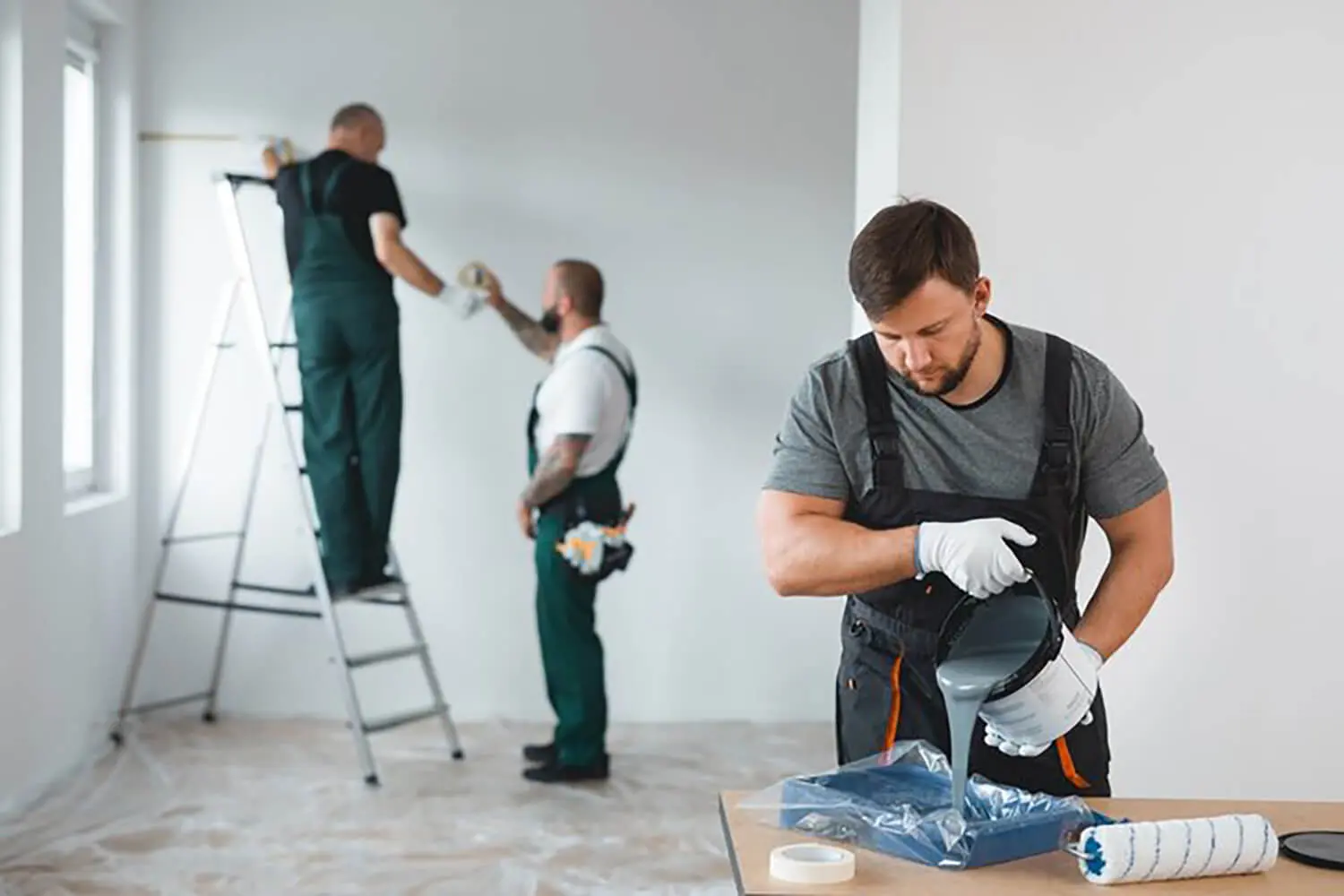
Timing is one of the most overlooked parts of planning a commercial painting project. Businesses spend time selecting colors, comparing contractors, and approving budgets — then lose their preferred window because they started the scheduling conversation too late.
The best time to schedule commercial painting projects isn’t just about picking a season. It’s about finding the point where your operational constraints, Seattle’s climate, and contractor availability line up. Miss any one of those, and the project either gets delayed, rushed, or more disruptive than it needed to be.
This guide walks through how to think about scheduling from all three angles — so you can book the right window, protect your operations, and avoid the lead time problems that catch most businesses off guard.
Why Timing a Commercial Painting Project Is More Complex Than It Looks
Commercial painting projects don’t operate on the same terms as residential work. The job isn’t just about conditions being right outside. It’s about finding a window where the work can happen without grinding operations to a halt.
Residential painting can be scheduled around a family’s routine with relatively little disruption. Commercial projects involve customer traffic, employee schedules, tenant agreements, noise and odor sensitivity, and access restrictions that vary by property type and lease structure.
A retail business can’t close its floor for a week during peak season. An office building may have limited after-hours access. A restaurant can’t have fumes near a kitchen during service. These aren’t inconveniences to work around — they’re hard constraints that define when a project can actually happen.
That complexity is what makes commercial painting timing a multi-variable decision. The season matters. The contractor’s calendar matters. But neither of those factors means anything until you’ve established when the business itself can absorb the work.
How Business Operations Should Shape Your Scheduling Decision
Before looking at seasons or contractor availability, the first question to answer is when your business can tolerate a painting project without meaningful disruption to customers, tenants, or staff.
Different business types have different low-traffic windows:
- Retail properties typically avoid major projects during holiday shopping season and peak weekends
- Office buildings often have the most flexibility on weekends, between tenant cycles, or during slower summer months when staff travel
- Restaurants may have narrow access windows — midweek mornings before service, or a planned closure period
- Multi-tenant commercial properties may need phased scheduling to avoid displacing multiple occupants at once
Beyond traffic patterns, consider the specific operational constraints that apply to your property:
- Customer-facing hours and how much access the crew needs during those times
- Noise and odor sensitivity, particularly for healthcare, food service, or childcare environments
- Whether the project can be phased by floor, section, or zone — or needs to happen all at once
- Any lease or tenant notification requirements that affect when work can begin
Establishing this window first gives you the lens you need to evaluate everything else. Once you know when your operations can absorb the project, the seasonal analysis becomes much easier to apply.
How Seattle’s Seasons Affect Commercial Painting Schedules
Seattle’s climate shapes commercial painting availability and conditions differently across the year. The same Seattle weather patterns that affect residential exterior repainting cycles also drive when commercial exterior work moves most reliably. Indoor conditions still matter for interior projects year-round as well.
Here’s how each season typically plays out for commercial painting in Seattle.
Summer: High Demand, Best Exterior Conditions
Summer is the strongest season for exterior painting in Seattle. Dryer weather, longer days, and more consistent temperatures create the most reliable drying and application conditions of the year.
The tradeoff is demand. Summer is also the busiest season for commercial painting contractors, and schedules fill well before the season starts. Businesses that begin the conversation in June for a July start often find the best windows are already spoken for.
Summer works best for:
- Exterior projects that depend on dry, warm conditions
- Large-scale work that needs weather consistency across multiple weeks
- Businesses that can plan and book 2 to 3 months in advance
Fall: Strong Interior Window, Shoulder Season Availability
Fall brings cooler temperatures and increasing rainfall, which makes exterior work less predictable as the season progresses. Interior commercial projects, however, move smoothly in fall — and contractor availability tends to open up compared to the summer peak.
For businesses that missed the summer exterior window, early fall can still work depending on project scope and how the weather holds. Mid to late fall is better reserved for interior work.
Fall works best for:
- Interior refreshes and office or retail repaints
- Businesses looking for more scheduling flexibility after the summer rush
- Properties planning ahead for winter interior work
Winter: Slowest Demand, Interior-Only Territory
Winter is the slowest season for commercial painting in Seattle, which means contractor availability is typically at its highest. For businesses with interior projects and flexible timelines, winter offers the most scheduling options and often the shortest lead times.
Exterior work is not recommended in winter. Cold temperatures, persistent rain, and slow drying conditions make application unreliable and adhesion unpredictable.
Winter works best for:
- Climate-controlled interior spaces that aren’t dependent on outside conditions
- Businesses looking to get ahead of spring and summer demand
- Properties with interior projects that don’t require a specific season
Spring: Rising Demand, Unpredictable Exterior Conditions
Spring is a transitional season in Seattle, and it plays out that way for commercial painting too. Demand starts climbing as businesses begin planning summer exterior work. Contractor schedules that felt open in February start filling by April.
Exterior conditions in spring are still inconsistent. Rain and elevated humidity can affect drying times and push timelines on projects that need dry, stable days to move efficiently.
Spring works best for:
- Interior projects before the summer rush compresses availability
- Businesses using the season to plan, quote, and book summer exterior work before windows close
- Properties with flexible exterior timelines that can shift around weather
Why Commercial Painting Projects Require More Lead Time Than Most Businesses Plan For
One of the most common scheduling mistakes commercial property owners make is treating the booking conversation like a short-notice transaction. Most commercial painting contractors, particularly those experienced with larger properties, are not available on a two-week lead.
During peak season, the best contractors book out 6 to 10 weeks or more. Waiting until the “right season” arrives often means the available windows for that season are already gone.
The booking timeline is only part of the lead time equation. Before a project starts, there are several planning steps that take real time:
- Site assessment and surface condition evaluation
- Scope definition and phasing decisions
- Material sourcing and preparation
- Scheduling coordination across crews, building management, and tenants
For larger commercial properties, phased execution adds additional time. A multi-floor office building, a retail center with multiple tenants, or a mixed-use property may require the project to move in sections across several weeks — all of which needs to be mapped out before the first coat goes on.
A practical rule for commercial scheduling is to begin planning 2 to 3 months before the target project window. That lead time allows for the assessment and quoting process, gives the contractor time to schedule crews properly, and creates buffer if conditions or access windows shift.
If the operational window from Section 2 is clear, planning backward from that date makes the booking conversation straightforward. The mistake most businesses make is working forward from today instead of backward from when they actually need the project done.
How to Choose the Best Time to Schedule Commercial Painting Projects for Your Business
There is no single correct answer for every business. The best scheduling window is the one where your operational constraints, Seattle’s seasonal conditions, and contractor availability overlap.
The businesses that get the best results from commercial painting projects are the ones that treat scheduling as a planning exercise, not a last-minute decision. They identify when operations can absorb the work, match that window to the right season, and book early enough to secure the dates they actually need.
If you’re ready to plan your commercial painting project, Refined Painting works with Seattle businesses to assess scope, evaluate timing, and build a schedule that fits your operations. Contact us today to get a quote and lock in your window before the season fills.