What Fading Paint Really Means for Your Home’s Exterior
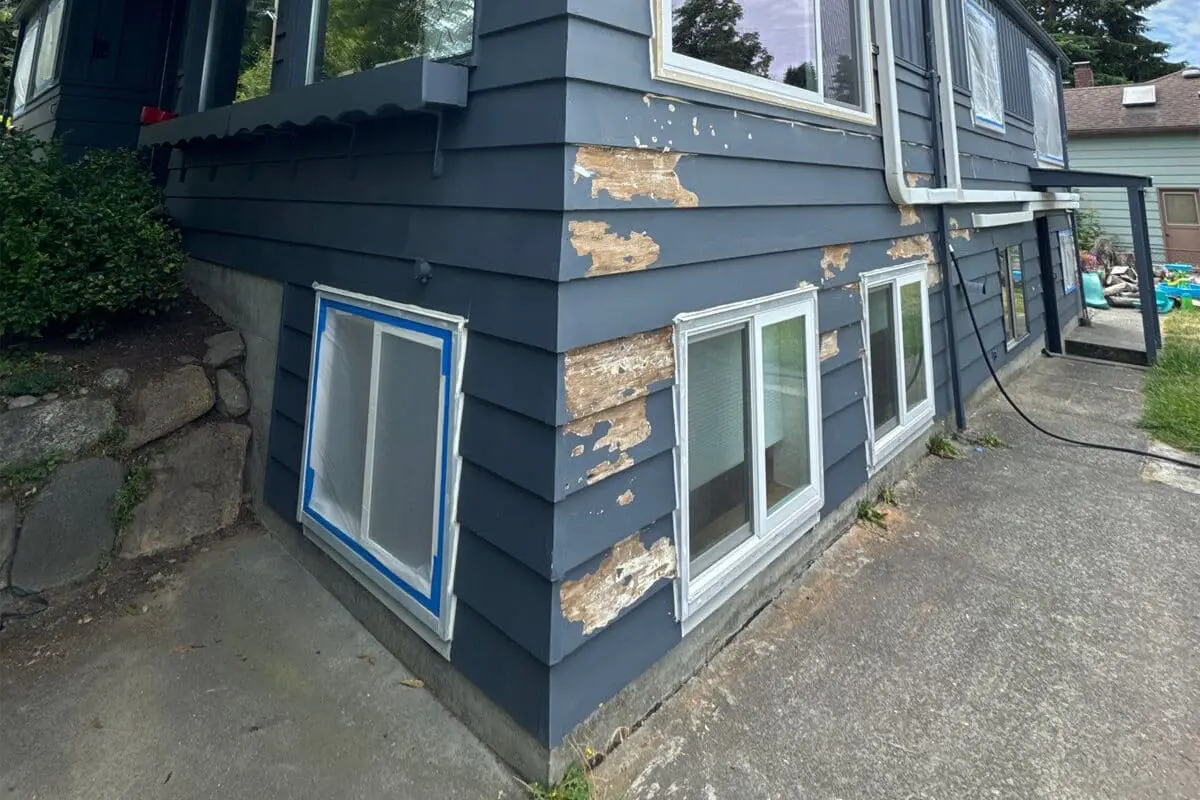
Fading exterior paint is usually the first change homeowners notice when something starts to shift on the outside of their home. Colours lose their depth, once-crisp finishes look muted, and certain areas—often the sunniest sides—seem to age faster than others. Because the paint is still intact, it’s easy to dismiss fading as a cosmetic issue or a simple sign of time passing.
But what fading paint means isn’t always that straightforward. Exterior paint plays a dual role: it contributes to curb appeal, but more importantly, it protects your home from weather, moisture, and long-term surface damage. When colour begins to fade, it can be an early clue about how well that protective layer is holding up.
Most homeowners aren’t asking whether faded paint looks perfect—they’re trying to understand whether it signals a real problem. Is the paint still doing its job, or is something starting to break down beneath the surface?
Understanding what fading paint means helps you read those signals correctly. It allows you to make informed decisions before visible damage appears, avoid unnecessary urgency, and plan maintenance at the right time instead of reacting after problems escalate.
Why Exterior Paint Fades in the First Place
Paint fading isn’t random—it’s the result of constant environmental exposure working slowly over time.
The biggest contributor is sunlight. Ultraviolet (UV) rays break down paint pigments at a molecular level, causing colours to lose vibrancy. Darker or more saturated colours often show fading sooner because they absorb more UV energy.
Beyond sun exposure, other factors accelerate the process:
- Moisture from rain, humidity, and morning dew
- Temperature swings that cause surfaces to expand and contract
- Wind-driven debris that lightly abrades the paint surface
Homes often fade unevenly because exposure isn’t uniform. South- and west-facing walls typically receive the most sunlight, while shaded areas age more slowly. Trim and architectural details may fade differently than siding due to thinner paint films or different materials.
In short, fading is the visible result of your home being exposed to the elements day after day—and every exterior experiences it eventually.
What Fading Paint Is Telling You About the Coating
Fading doesn’t just reflect time—it reflects how the paint was formulated and applied.
High-quality exterior paints contain better pigments and UV stabilizers designed to resist breakdown. When paint fades quickly or unevenly, it may point to:
- Lower-grade pigments
- Paint not designed for exterior use
- Inadequate film thickness during application
As pigments degrade, the paint’s ability to protect the surface also weakens. Colour loss often precedes a reduction in water resistance, flexibility, and adhesion.
That doesn’t mean all fading is a failure. Gradual, even fading over many years usually indicates normal aging. Rapid fading within a short timeframe, however, can suggest the coating isn’t performing as intended.
Understanding what fading paint means helps distinguish between expected wear and early coating breakdown—long before peeling or cracking becomes visible.
When Fading Is Harmless—and When It’s a Warning Sign
Not all fading needs immediate action.
Fading is generally harmless when:
- Colour loss is even across large areas
- The surface still feels smooth and flexible
- There’s no chalky residue when you touch the paint
In these cases, fading is mostly informational—it tells you the paint is aging, not failing.
However, fading becomes a concern when it appears alongside other symptoms:
- Chalkiness, where pigment rubs off as powder
- Brittleness, where paint loses flexibility
- Thin or patchy areas exposing primer or substrate
When these signs appear together, fading may be an early warning of deeper issues. Ignoring advanced fading can allow moisture to penetrate, increasing the risk of peeling, wood damage, or substrate deterioration.
How Fading Affects Long-Term Exterior Durability
Paint is more than a finish—it’s a protective barrier.
As fading progresses, the coating’s ability to block UV rays and repel moisture weakens. Once protection declines, underlying materials become vulnerable:
- Wood may absorb moisture and swell
- Trim can crack or rot
- Siding may degrade or stain
Colour loss is often the first visible sign that protection is starting to thin. Addressing paint issues early helps preserve the integrity of your home, as seen in many of our real exterior painting projects completed before surface damage occurred.
Understanding what fading paint means shifts the focus from aesthetics to long-term durability—and that perspective can save significant repair costs over time.
Why Some Paint Jobs Fade Faster Than Others
Not all paint jobs age at the same rate, even in similar conditions.
Key factors that influence fading speed include:
- Surface preparation: Poor cleaning or skipped priming reduces adhesion and longevity
- Paint quality: Exterior-specific, higher-grade paints retain colour longer
- Application technique: Thin coats or rushed application weaken performance
Environmental context matters too. Homes exposed to intense sun, wind, or moisture will naturally see faster colour changes—but proper prep and product selection can dramatically slow that process.
Faster fading doesn’t always mean something went wrong, but it often points to limitations in materials or skipped steps during prep—especially when proper surface preparation isn’t part of the process.
What to Do When You Notice Exterior Paint Fading
When fading becomes noticeable, the first step isn’t repainting—it’s evaluation.
Ask:
- Is the fading uniform or patchy?
- Does the surface still feel solid?
- Are there other signs like chalking or cracking?
In many cases, repainting isn’t urgent, but planning ahead is smart. A professional assessment can determine whether fading is purely cosmetic or if protection is declining, and help homeowners explore professional exterior painting services before more serious issues develop.
Timing matters. Addressing paint concerns before failure allows for simpler prep and lower overall cost. Waiting until peeling begins often leads to more extensive surface repairs.
What Fading Paint Ultimately Means for Homeowners
Fading paint isn’t a verdict—it’s information.
It tells you how your exterior is aging, how well previous coatings are holding up, and whether protective performance is starting to decline. Interpreting that information correctly allows you to act proactively rather than reactively.
Understanding what fading paint means empowers homeowners to:
- Plan maintenance instead of rushing repairs
- Preserve materials beneath the paint
- Maintain curb appeal without unnecessary urgency
Paint performance is about protection first, appearance second—and fading is often the earliest clue that it’s time to start paying attention.
Fading paint is rarely a sudden failure. More often, it’s an early signal that your home’s exterior is changing under constant exposure to sun, moisture, and temperature shifts. While some fading is expected over time, understanding what fading paint means helps you tell the difference between normal aging and the first signs of declining protection.
By paying attention to colour loss before peeling or cracking appears, homeowners can make informed, calm decisions about maintenance and timing. That awareness helps protect siding, trim, and structural materials long before damage becomes costly.
Exterior paint isn’t just about how your home looks—it’s about how well it’s defended. When you view fading as information rather than an eyesore, it becomes a tool for smarter planning and long-term care.
If you’re unsure what your home’s fading paint is telling you, professional guidance can provide clarity. A trained eye can help you understand the condition of your exterior and decide what—if anything—needs to happen next, so you can move forward with confidence instead of guesswork.