
How Professional Painting Improves Indoor Air Quality Over Time
Indoor air quality has become a growing concern for homeowners, especially as people spend more time inside and pay closer attention to comfort, health, and overall wellness. Odours that linger, dust that seems to return too quickly, or irritation without an obvious source often lead homeowners to question what’s affecting the air inside their home.
Paint is rarely the first suspect.
Most people view painting as a cosmetic upgrade—new colour, cleaner walls, and a refreshed look. What’s often overlooked is that painted surfaces play an active role in the indoor environment. Walls and ceilings are not passive backdrops; they interact with the air every day.
This leads homeowners to a deeper question. They aren’t just wondering whether paint looks good—they’re trying to understand how painting choices affect the air they breathe long after the job is finished. More specifically, they want to know whether professional painting improves indoor air quality in a meaningful, lasting way.
Understanding this connection helps shift painting from a purely visual decision into part of a healthier home strategy. When done correctly, painting can reduce airborne irritants, stabilise indoor conditions, and contribute to a more comfortable living space over time.
Why Paint Plays a Bigger Role in Indoor Air Than Most People Realize
Walls and ceilings make up the largest exposed surfaces inside a home. Because of that, they constantly interact with the surrounding air—absorbing moisture, collecting dust, and releasing compounds over time.
Paint doesn’t simply “dry” and stop affecting the environment.
Even after paint feels dry to the touch, it can continue releasing small amounts of compounds into the air through a process known as off-gassing. This is especially noticeable with older coatings or improperly selected products that were never designed with indoor air health in mind.
In many homes, existing paint layers contribute quietly to air quality issues by:
- Holding onto odours from cooking, smoke, or pets
- Trapping dust, pollen, and allergens within rough or degraded surfaces
- Releasing residual chemicals from older formulations
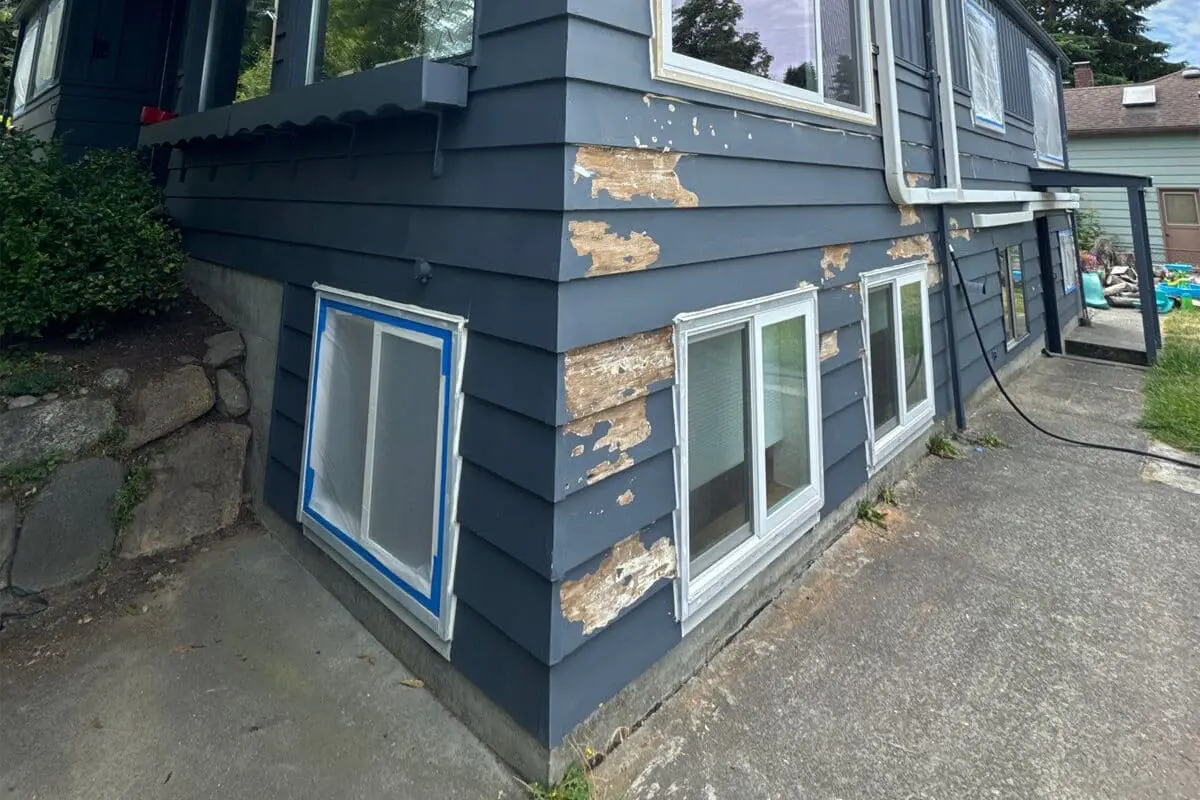
Older homes are particularly vulnerable. Years of repainting without proper preparation can leave multiple layers of deteriorating paint beneath the surface, affecting indoor conditions without obvious visual warning signs.
What Professional Painting Does Differently From a Basic Repaint
The difference between professional painting and a basic repaint goes far beyond appearance. It starts with preparation and ends with long-term performance.
Surface preparation plays a critical role in air quality outcomes. Professionals don’t paint over failing coatings, dust, or residue. They clean, repair, sand, and seal surfaces so new paint bonds correctly and creates a stable barrier.
Product selection matters just as much. Professional painters choose coatings based on:
- Room usage
- Existing surface conditions
- Ventilation levels
- Long-term durability needs
It’s not about grabbing a can with the right colour—it’s about choosing products that perform well in lived-in spaces.
Application technique also affects indoor air. Proper film thickness, even coverage, and controlled drying conditions reduce lingering airborne contaminants and help coatings cure as intended.
Together, these steps explain why professional interior painting services improve indoor air quality more reliably than quick, surface-level repainting.
The Connection Between Low-VOC Paints and Long-Term Air Quality
VOCs—volatile organic compounds—are chemicals that evaporate into the air as paint dries and cures. They’re one of the main reasons freshly painted spaces sometimes smell strong or cause irritation.
Low-VOC paints are designed to reduce this effect, but the label alone doesn’t tell the full story.
Professional painters look beyond marketing claims. They consider:
- Total VOC content, not just “low” thresholds
- How the product behaves during application and curing
- Compatibility with existing coatings and substrates
Ventilation and curing time also matter. Even low-VOC products need proper airflow to fully stabilise. Professional painters plan projects to ensure spaces are ventilated correctly during and after application.
When all these factors are aligned, the result is paint that contributes less to airborne irritation and supports healthier indoor conditions long after the project is complete.
How Professional Painting Helps Reduce Trapped Pollutants Indoors
Old or failing paint films often act like sponges for pollutants.
Over time, they can trap:
- Dust and fine particles
- Allergens like pollen and pet dander
- Lingering household odours
Professional painting addresses this by removing or sealing compromised surfaces before applying new coatings. Properly refinished walls create smoother, more uniform surfaces that are easier to keep clean and less likely to harbour airborne irritants.
Fresh, well-applied paint also helps neutralise odours that have built up over years of use. This is especially noticeable in kitchens, living areas, and bedrooms where daily activity leaves behind invisible residues.
The result isn’t just visual—it’s a noticeable improvement in how the space feels and smells during everyday living.
Why the Benefits of Professional Painting Increase Over Time
One of the most overlooked aspects of painting is how its benefits compound.
Properly applied coatings help stabilise indoor environments by:
- Regulating moisture interaction with walls
- Preventing premature surface breakdown
- Reducing the need for frequent repainting
Quick or improper paint jobs often fail early, releasing particles and requiring repeated work. Each cycle introduces new materials, new off-gassing, and new disruption.
Professional painting reduces that cycle. When coatings last longer and perform as intended, indoor conditions remain more consistent, and air quality benefits are maintained over time rather than reset repeatedly.
Who Benefits Most From Improved Indoor Air Through Painting
While everyone benefits from cleaner indoor air, some households notice the impact more immediately.
This includes:
- Homes with allergy or asthma sufferers
- Families with children or elderly residents
- Older homes with layered or deteriorating paint
- Spaces undergoing renovations or long-term occupancy
In these environments, reducing airborne irritants and stabilising surfaces can make a meaningful difference in comfort and day-to-day wellbeing.
Painting becomes less about aesthetics and more about creating a space that supports healthier living.
What This Means When Deciding Whether to Hire a Professional
Indoor air quality rarely drives painting decisions—but it should be part of the conversation.
Cutting corners may save money upfront, but it can lead to:
- Lingering odours
- Faster coating failure
- Repeated repainting cycles
- Continued indoor irritants
Professional painting fits naturally into a broader home wellness strategy. It’s one piece of maintaining a healthy indoor environment alongside ventilation, cleaning, and material choices.
When air health matters, how the work is done becomes just as important as how it looks.
Wrap-Up: Understanding Painting as an Investment in Indoor Health
Painting is often treated as a surface-level upgrade, but its impact goes deeper than colour alone. Walls and ceilings influence indoor air every day, and their condition plays a quiet but important role in home comfort.
When done correctly, professional painting improves indoor air quality by stabilising surfaces, reducing trapped pollutants, and limiting ongoing chemical release. These benefits don’t disappear once the paint dries—they increase over time as coatings perform the way they’re designed to.
Understanding this connection helps homeowners feel informed rather than overwhelmed. Painting doesn’t have to be a reactive task tied only to wear or style changes. It can be a proactive decision that supports healthier living and long-term comfort.
For homeowners planning a painting project, considering air quality alongside appearance leads to better outcomes overall. When questions remain, professional guidance offers clarity—helping ensure that what looks good today also supports a healthier home tomorrow.